The best time to visit the Dolomites is late June to mid-September for hiking and mid-December to mid-March for skiing. If you want golden larches and quieter trails, aim for late September and October. Here is what each month is really like, so you can match your trip to what you want to do.
The short answer
| You want | Go in | Why |
|---|---|---|
| Hut-to-hut hiking | July to mid-September | High trails are clear of snow and most mountain huts are open. |
| Fewer people, good walking | Late June, or September | Lifts and huts are running but school holidays are over or not yet started. |
| Autumn colour | Mid to late October | The larch forests turn gold, though many lifts and huts have closed. |
| Skiing | Mid-December to mid-March | The Dolomiti Superski season runs from late November to early April. |
| Christmas markets | Late November to early January | Bolzano, Brixen, Bruneck and Merano hold their famous markets. |
Summer: June to September
June
June is the start of the summer season, and it is a month of two halves. Early in the month many mid-altitude trails are still wet or patched with snow, and routes above about 2,400 to 2,600 metres are best left until July. By late June most trails below that are clear, the summer lifts are turning, and the meadows on Alpe di Siusi and around Val Gardena are full of flowers.
Mountain huts follow the snow. Most low and mid-altitude huts (rifugi) are open by around 20 June, and the rest open as their access paths clear. If you are planning a multi-day route such as the Alta Via 1, start it no earlier than the last week of June.
The Sellaronda Bike Day closes the four passes around the Sella massif to cars for a day, once in June and once in September (6 June and 12 September in 2026). Cyclists ride the 53 km loop for free. If you are driving, avoid those passes that day.
July
July is the most reliable month for high routes. The snow has gone from all but the highest gullies, every hut is open, and the long days give you plenty of margin. It is also the start of the busy season, so book huts and hotels well ahead.
The one thing to plan around is weather. Summer heat storms can build within minutes in the Alps, so start early, aim to be off exposed ridges and via ferratas by early afternoon, and check the local forecast every morning.
August
August is the warmest and busiest month. The week around Ferragosto, the Italian holiday on 15 August, is the peak of the whole year: in 2026 the Pordoi, Sella, Fedaia and San Pellegrino passes were packed and parking was almost impossible to find. If August is your only option, start your hikes at dawn, use lifts and buses instead of driving to the passes, and choose quieter valleys.
Several honeypot spots now control access in high summer. At Lago di Braies, cars are restricted between 9:00 and 16:00 from 1 July to 15 September. Alpe di Siusi is closed to private cars during the day, and from 2026 its car parks must be booked online. The toll road up to the Tre Cime di Lavaredo also needs an advance booking. We cover all of these in what to book in advance.
September
For many hikers September is the best month of all. The crowds drop after the first week, the air is clear, and most huts and lifts stay open until around 20 September (many run to the end of the month). Days are shorter and mornings are cold, so carry a warm layer. From mid-September the larches start to turn yellow.
Autumn: October and November
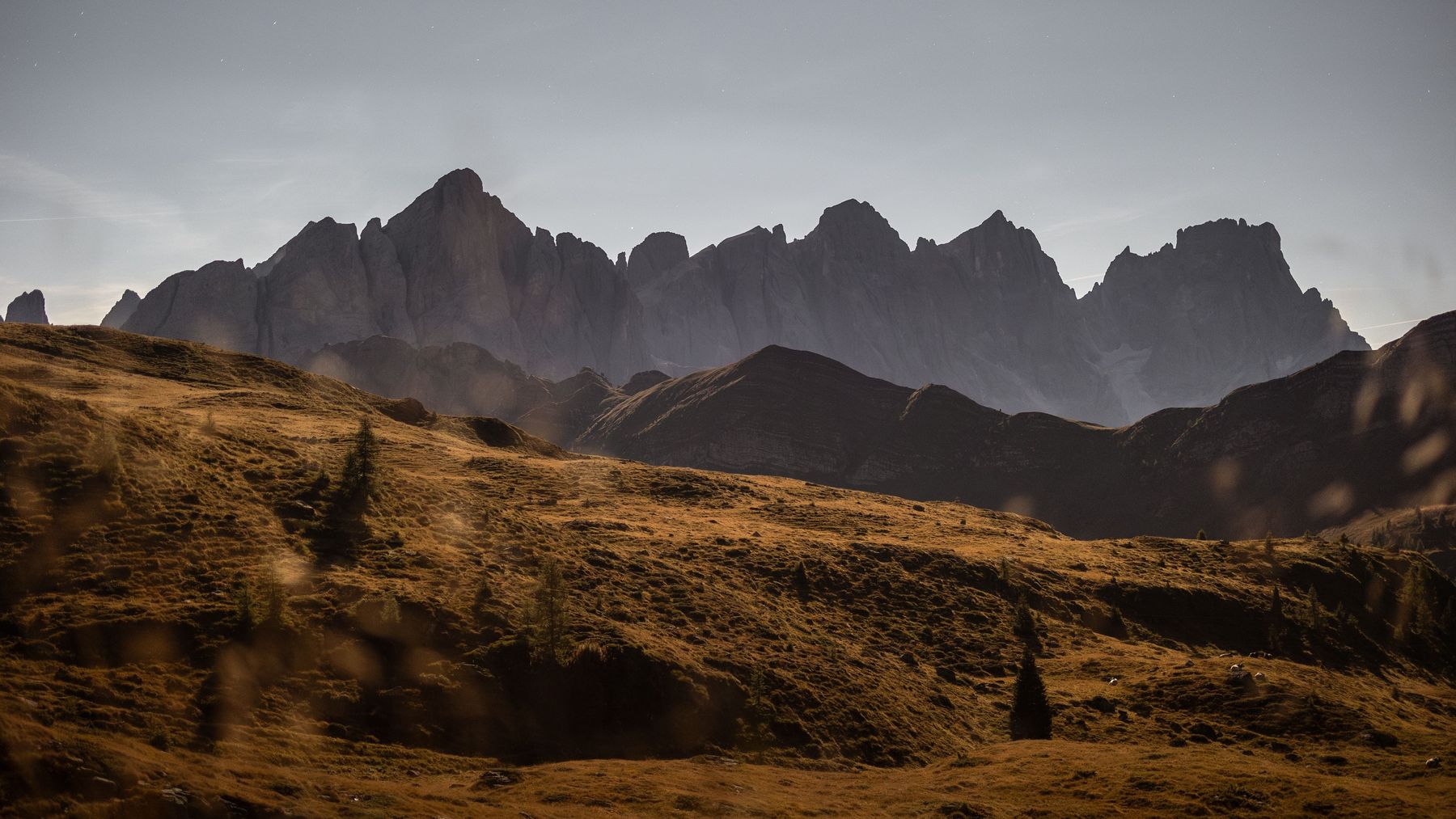
October is quiet and beautiful. The larch forests reach their golden peak in mid to late October, and the light on the pale rock is at its best. The catch is that most huts and many summer lifts have closed by early October, so plan valley walks and shorter hikes rather than high routes.
November is the true low season. Summer lifts have stopped, the ski season has not started, and many hotels close for a few weeks. It is cheap and empty, but there is little to do on the mountains. From late November the Christmas markets open in the South Tyrol towns; in 2026 they run from 27 November to 6 January.
Winter: December to March
The Dolomiti Superski season for 2026/27 starts on 28 November, when the first areas such as Plan de Corones, Val di Fiemme and San Martino open. Alta Badia, Val Gardena, Val di Fassa and Arabba follow on 4 December. Most areas close on 4 April 2027, and Arabba and the Marmolada run until 18 April.
December is festive and lively, with snow cover that is often still building early in the month. Christmas and New Year are the busiest weeks of the winter, so book early. January brings cold, settled weather, good snow and quieter slopes once the holidays end. February is reliable for snow but busy during European school holidays. March is a favourite for many skiers: longer, sunnier days, softer snow in the afternoon and lower prices outside the holidays. The Dolomiti Ski Jazz festival usually takes place in Fiemme and Fassa in March.
The Gardena, Sella and Pordoi passes stay open in winter, and Campolongo can close briefly after heavy snow. Giau, Falzarego and Fedaia stay open when conditions allow. Winter tyres or chains are required on these roads, so check before you set off.
Spring: April and May
April is the end of the ski season. Late snow can be excellent, but by mid-April most lifts have stopped. From mid-April to mid-May the Dolomites go quiet: lifts close for maintenance, high trails are still snowed in, and many hotels shut. The Alpe di Siusi cable car, for example, stops from mid-April to mid-May. Valley towns like Bolzano and Bressanone are pleasant for city breaks and wine, but it is not the time for mountain hiking.
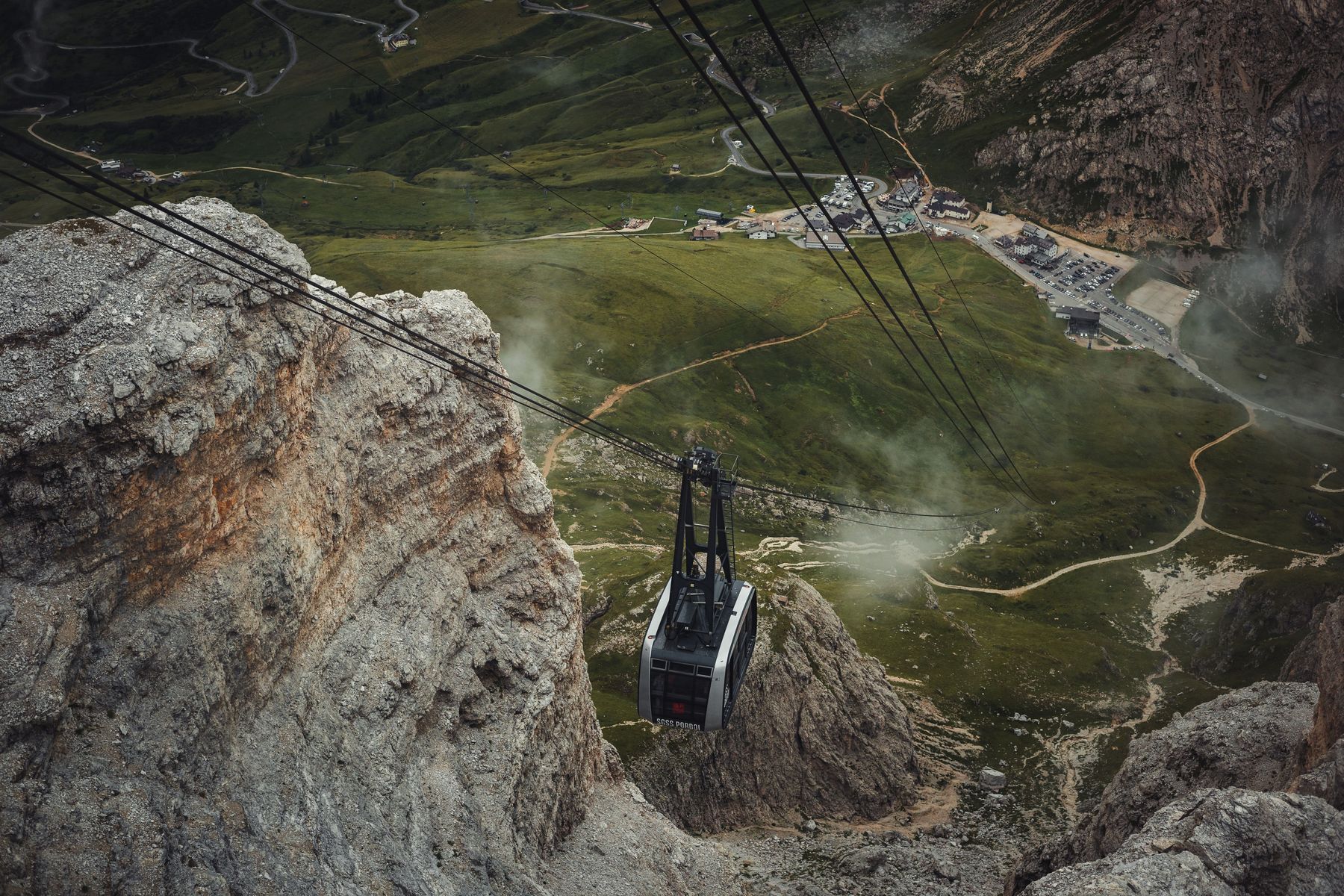
The summer lift season begins again in mid-May with the first cable cars, such as Sass Pordoi, and the full lift network is running by mid-June.
So, when should you go?
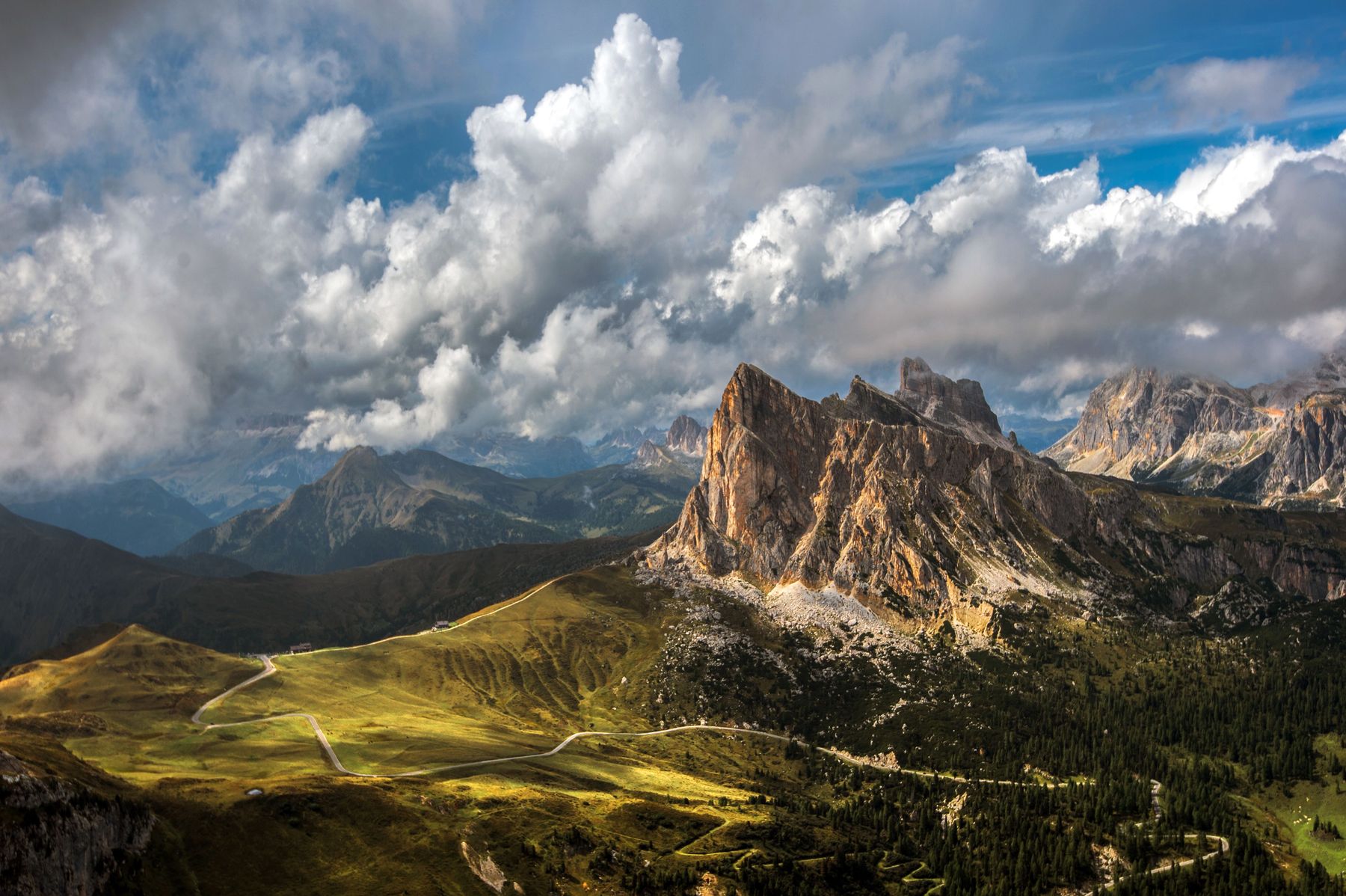
If you want to hike the classic trails with everything open, go from late June to mid-September, and choose late June or September if you can to avoid the crowds. If you want to ski, go between mid-December and mid-March, avoiding Christmas and February half-term if possible. And if you are a photographer, October's golden larches and the pink glow of enrosadira at sunset are worth the trade-off of closed huts.
Not sure where to base yourself? Read which Dolomites valley to stay in.
Prices, opening dates and access rules change every year. We checked them in October 2026 against official sources; always confirm with the operator before you travel.